
What Cloudy-Day Battery Data Can Teach You
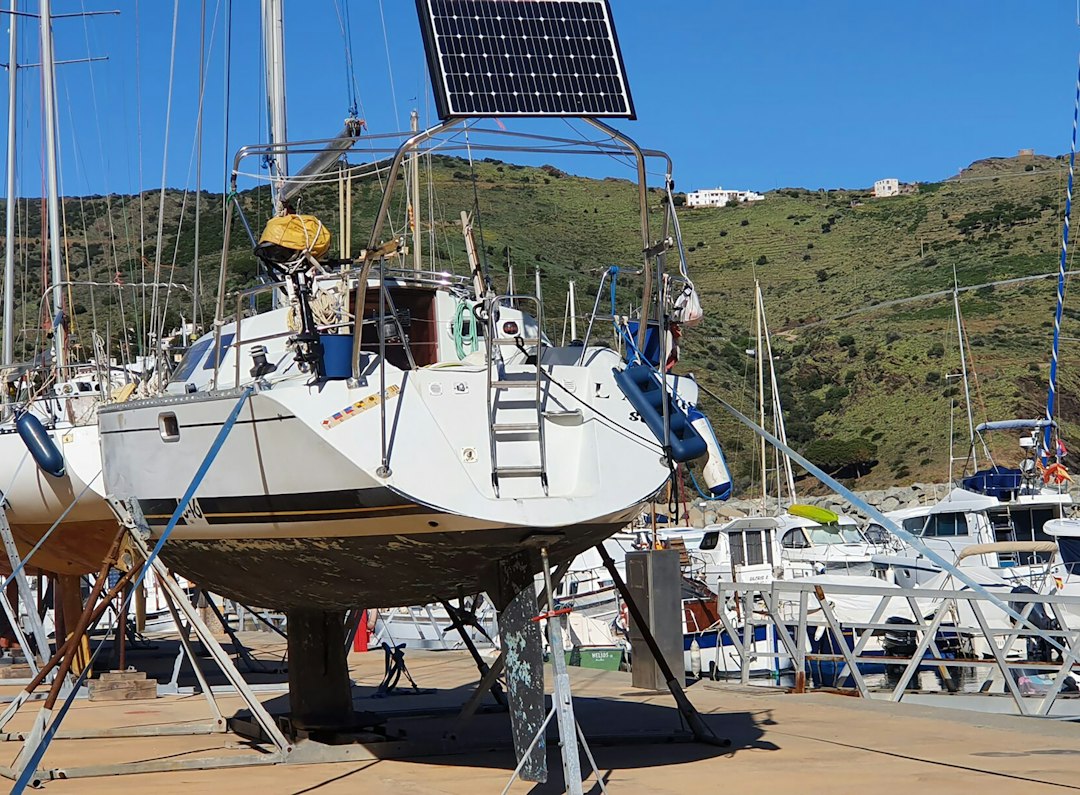
Variable solar days reveal how loads, storage, and charge recovery interact when energy is limited.
Why it matters
Several days of history help distinguish a one-off weather event from a system that regularly fails to recover its battery.
What to check
- Compare morning SOC across consecutive days
- Track daytime load as well as solar input
- Plan reserve capacity around the weakest recurring conditions
Read the trend, not one sample
Battery and gateway measurements change with load, charging stage, temperature, and timing. Compare repeated conditions and preserve a known-good baseline before drawing conclusions from a single reading.
The JKBMSR safety boundary
JKBMSR provides remote visibility, history, and alerts. It does not replace the BMS, fuses, contactors, charger controls, or the equipment manufacturer's safety instructions. Any sign of swelling, smoke, unusual odor, rapid heating, damaged wiring, or unstable voltage calls for immediate safe shutdown and qualified inspection.
Practical takeaway
Use the dashboard to turn this topic into a repeatable observation: record the conditions, compare the same measurements over time, and act on persistent changes rather than guesswork.
JK BMS Remote is an independent remote monitoring solution compatible with JK-BMS products. JK BMS Remote is not affiliated with, endorsed by, or sponsored by JK-BMS.