
Where Battery Temperature Sensors Matter
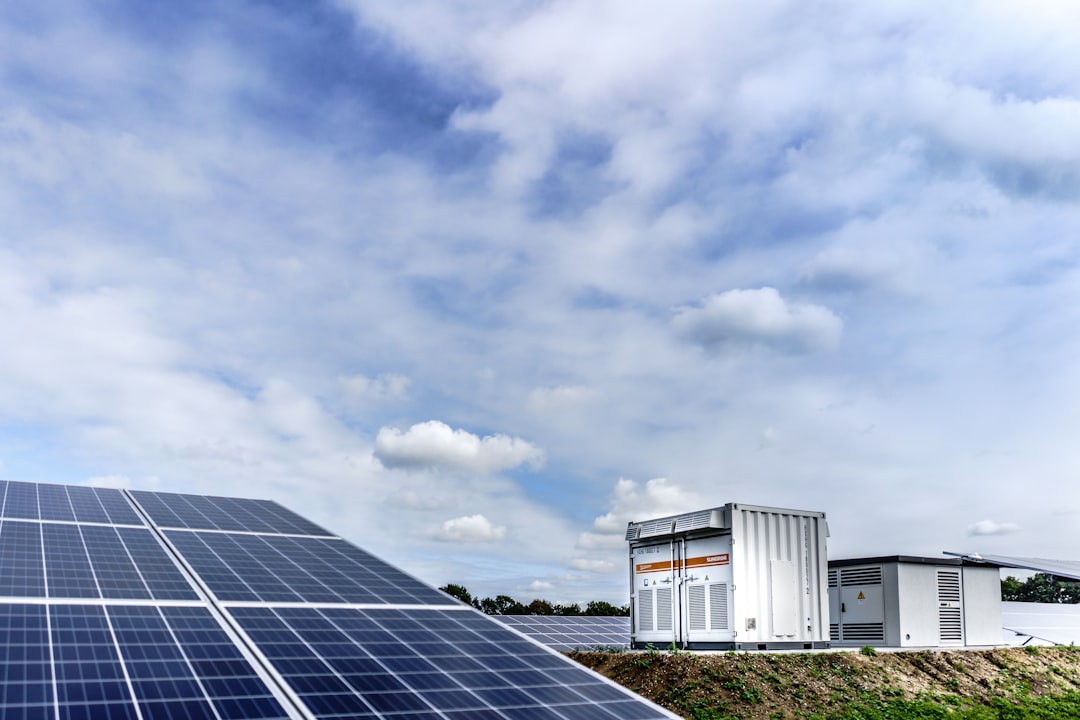
Temperature readings only represent the places where sensors are installed.
Why it matters
Sensor placement near likely hot spots, terminals, or thermally isolated cells can make alerts more meaningful than placing every probe in the easiest location.
What to check
- Document which physical location maps to each sensor
- Compare temperature rise under charge and discharge
- Treat unusual divergence between sensors as an inspection prompt
Read the trend, not one sample
Battery and gateway measurements change with load, charging stage, temperature, and timing. Compare repeated conditions and preserve a known-good baseline before drawing conclusions from a single reading.
The JKBMSR safety boundary
JKBMSR provides remote visibility, history, and alerts. It does not replace the BMS, fuses, contactors, charger controls, or the equipment manufacturer's safety instructions. Any sign of swelling, smoke, unusual odor, rapid heating, damaged wiring, or unstable voltage calls for immediate safe shutdown and qualified inspection.
Practical takeaway
Use the dashboard to turn this topic into a repeatable observation: record the conditions, compare the same measurements over time, and act on persistent changes rather than guesswork.
JKBMSR is an independent remote monitoring solution compatible with JK-BMS products. JKBMSR is not affiliated with, endorsed by, or sponsored by JK-BMS.